

Full-Mouth Rehabilitation — Why the Order of Treatment Matters
Full-mouth rehabilitation is not a single treatment - it is a coordinated sequence of decisions, each one dependent on the last. When multiple systems need rebuilding at once (joints, bite, gums, teeth), the order in which problems are addressed determines whether the final result holds. Getting the sequence wrong means beautiful final restorations sitting on an unstable foundation.
Why Does the Order of Treatment Matter?
Imagine placing a full set of veneers before resolving a clicking joint - the new restorations will inherit and amplify the same forces that caused the problem. Or placing implants before gum disease is controlled - the infection around natural teeth will migrate to the implant sites within months. In large cases, every early decision changes what is possible later. The specialist's job is not just to plan each procedure well in isolation, but to plan the transitions between them correctly. Most full-mouth cases fail because of the order of treatment.
The Four Stages of Full-Mouth Treatment
- Phase 1 - Disease control: periodontal treatment, caries removal, extraction of teeth that cannot be saved. Nothing aesthetic is started until this phase is stable and verified
- Phase 2 - Stabilizing the jaw and bite: TMJ management, splint therapy if joint symptoms are present, bone grafting if implants are planned. The bite is established provisionally before any final restorations are made
- Phase 3 - Provisional restorations: temporary crowns, bridges, or a provisional denture that recreates the planned final bite. The patient wears these for weeks to months - they test the new bite, not just fill the time
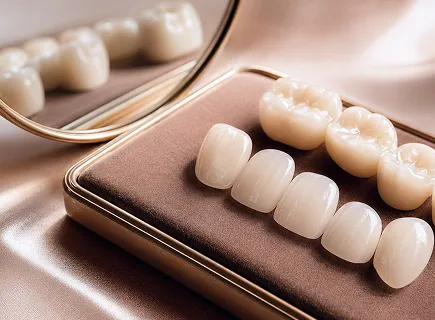
- Phase 4 - Final restorations: ceramic crowns, veneers, implant crowns, or a combination. Made only after the provisional phase has confirmed the bite is stable and comfortable
The Role of Provisional Restorations
Provisional restorations are the most underestimated tool in complex dentistry. They allow the team to test the planned bite position, tooth length, and facial support before committing to expensive and irreversible ceramics. They allow the patient to live with the new bite - eating, speaking, sleeping - and report back on comfort, aesthetics, and function. They allow muscles and joints to adapt to a new position before the final prosthesis locks it in place. Skipping or shortening the provisional phase to save time or money is the single most common reason full-mouth cases require expensive revisions within two to three years.
We don't start the final ceramics until the patient has worn provisionals for at least six to eight weeks and told us nothing hurts. That conversation is the green light.
— MedPalm Clinical Team
Bite Records, Face-bows, and Why Lab Communication Matters
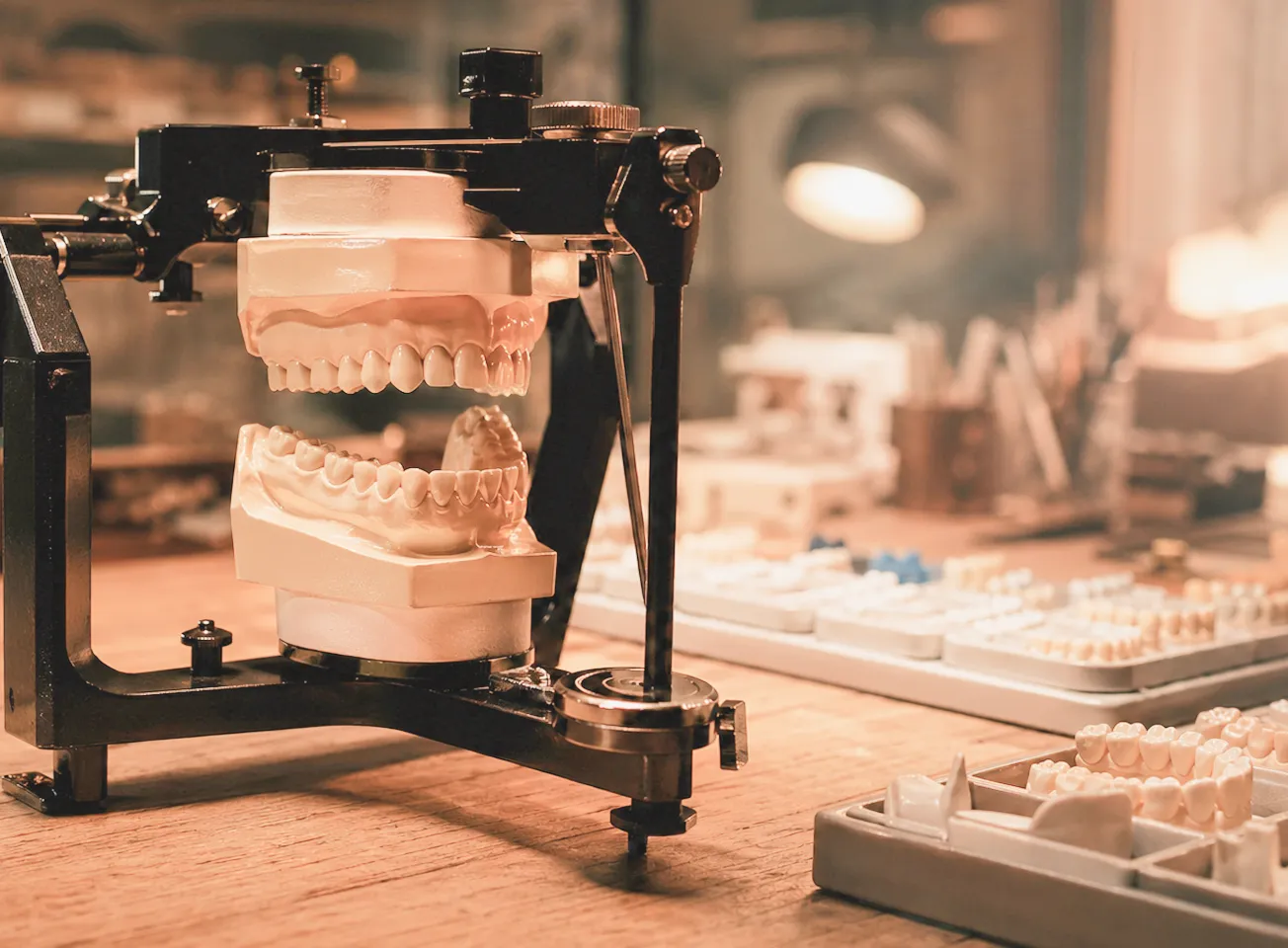
The precision of final restorations depends entirely on the accuracy of what the dental laboratory receives. A bite record captures the relationship between upper and lower jaws in the planned treatment position - it must be taken in a reproducible, stable position, not just wherever the patient naturally closes. A face-bow records the relationship of the upper jaw to the skull, allowing the lab to mount the models correctly on an articulator (a device that reproduces jaw movement). Without these records, the ceramist is guessing. With them, adjustments at the fitting appointment are minor. In full-mouth cases, lab communication is as important as clinical skill - a technically perfect crown built to inaccurate records will not fit the bite.
Considering a Full Rebuild?
Let's plan the order of treatment before we touch a single tooth.
Indicative Starting Prices
For Full-Mouth Rehabilitation at MedPalm Dental
Specialist Consultation
Personalized diagnostics and treatment planning
AED 650
Porcelain Crown (E.max / Ceramic)
High-strength all-ceramic crown for natural appearance and durability
AED 6 000
Porcelain Veneer
Natural-looking ceramic smile restoration
AED 6 000
More to Read
on Restorative