


CBCT, OPG, or Bitewings? What Imaging Matches Your Symptoms
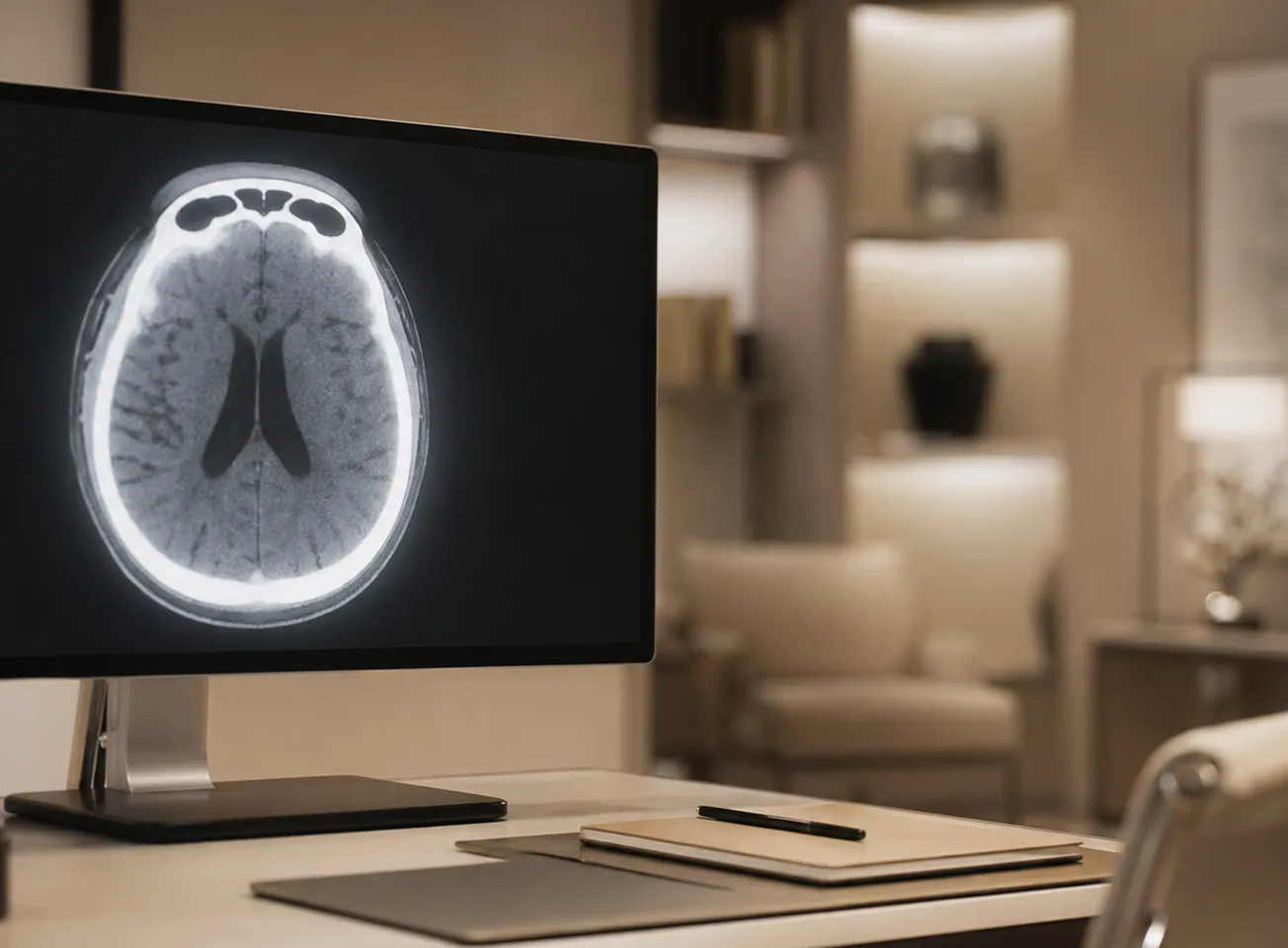
Not every dental complaint needs the same scan - and ordering the wrong one does not just waste money, it delays the correct diagnosis. The choice between CBCT, OPG, and bitewing X-rays is clinical: it depends on which structures are symptomatic, what question the imaging needs to answer, and what level of detail changes the treatment plan.
Which Dental Scan Do You Actually Need?
- Bitewing radiographs - best for detecting cavities between teeth and tracking bone levels around back teeth; annual standard for most adults
- OPG (panoramic) - overview of all teeth, sinuses, jaw bones, and basic condyle shape; a good first scan for new patients and children
- CBCT limited field - high-resolution view of one or two teeth or a joint; used for implant planning, root fractures, or one-sided TMJ symptoms
- CBCT full arch - both joints and full jaw architecture; indicated for asymmetry, degenerative joint disease, or pre-surgical planning
Reading an OPG - What Clinicians Are Actually Looking At
A panoramic radiograph compresses a three-dimensional structure into a single two-dimensional image. That compression is useful for overview but creates distortion that makes fine detail unreliable. Clinicians use OPGs to assess tooth count, root shape, general bone levels, sinus outlines, and overall symmetry of the jaw joints. For anything requiring precise measurement - implant dimensions, root canal anatomy, fracture lines, or joint space - a CBCT delivers the resolution that an OPG cannot. Knowing the limitation of the tool is as important as knowing how to read it.
When Is a Dental X-ray Not Necessary?
Imaging is a decision tool, not a default. For a patient with muscle tenderness, mild clicking, and no restricted opening, clinical examination and a detailed history give more useful information than a CBCT. We order scans when the result will change what we do - not to confirm what we already expect. Radiation exposure is low in modern CBCT units, but the principle of imaging only when indicated remains sound clinical practice.
The right scan is the one that answers a specific clinical question. Everything else is a picture without a purpose.
— MedPalm Clinical Team
Start With the Right Picture
The right scan first means faster answers and fewer repeat visits.
Indicative Starting Prices
For Imaging and Diagnostics
CBCT – Upper and Lower Jaw
3D scan of both jaws for detailed diagnosis
AED 900
CBCT – Single Dental Arch
3D scan of a single dental arch
AED 700
CBCT – Limited Field of View (< 1 jaw)
Targeted 3D scan of a localized jaw area
AED 450
More to Read
on TMJ & Bite